
Awake Youth Initiative is founded with a vision of Transforming youth livelihood and leadership in underserved communities in Kenya.
Many educational systems struggle to equip students with the 21st-century skills needed for success in an ever-evolving world. Traditional curricula often fall short in fostering creativity, critical thinking, collaboration, and adaptability, leaving students especially those in undeserved communities like Mathare slum ill-prepared for the demands of the modern workforce and society.
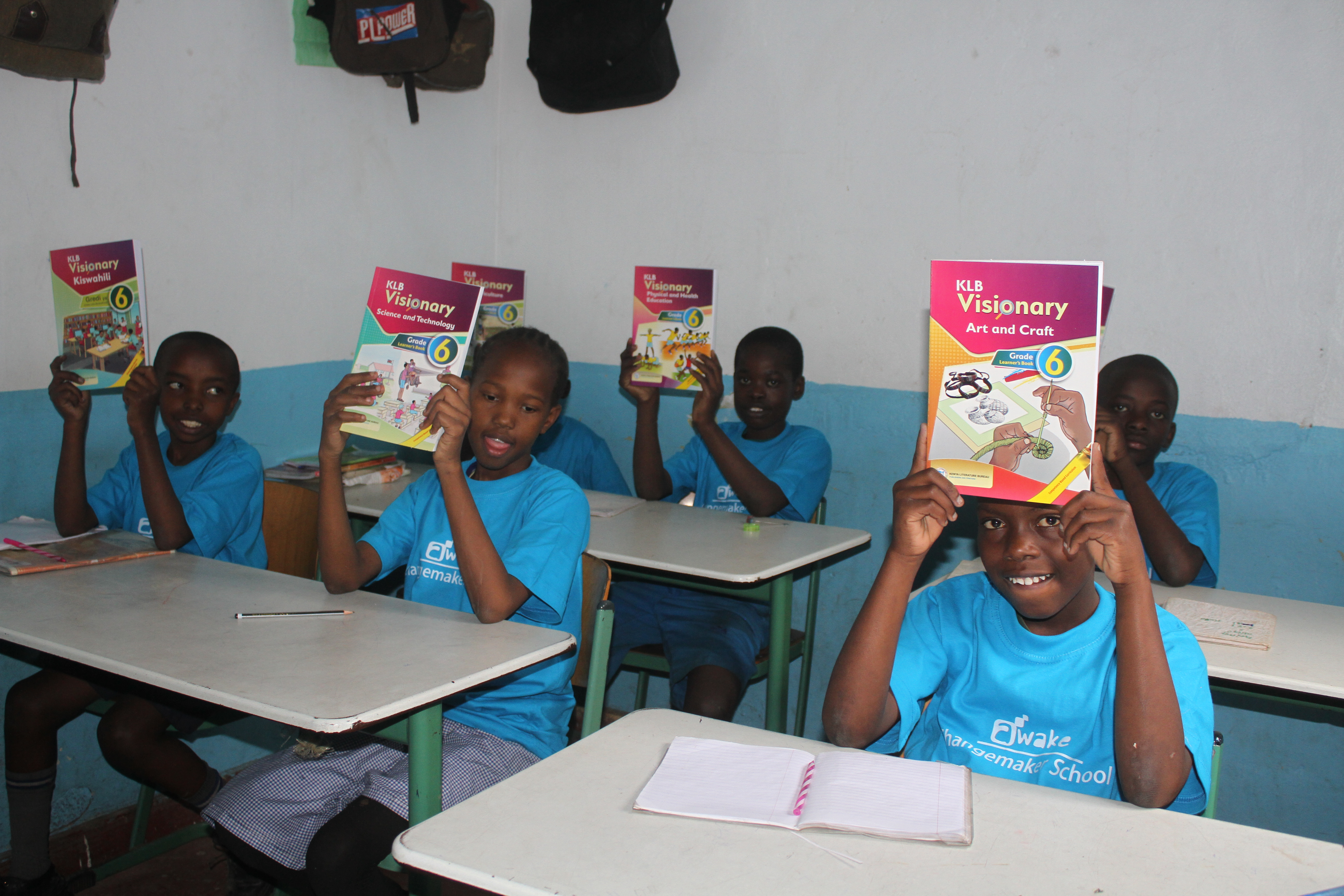
The Awake Changemaker School addresses this challenge by providing a transformative educational experience. The program focuses on developing essential 21st-century skills, instilling a sense of social responsibility, and nurturing an entrepreneurial mindset, preparing students to become proactive contributors to their communities.
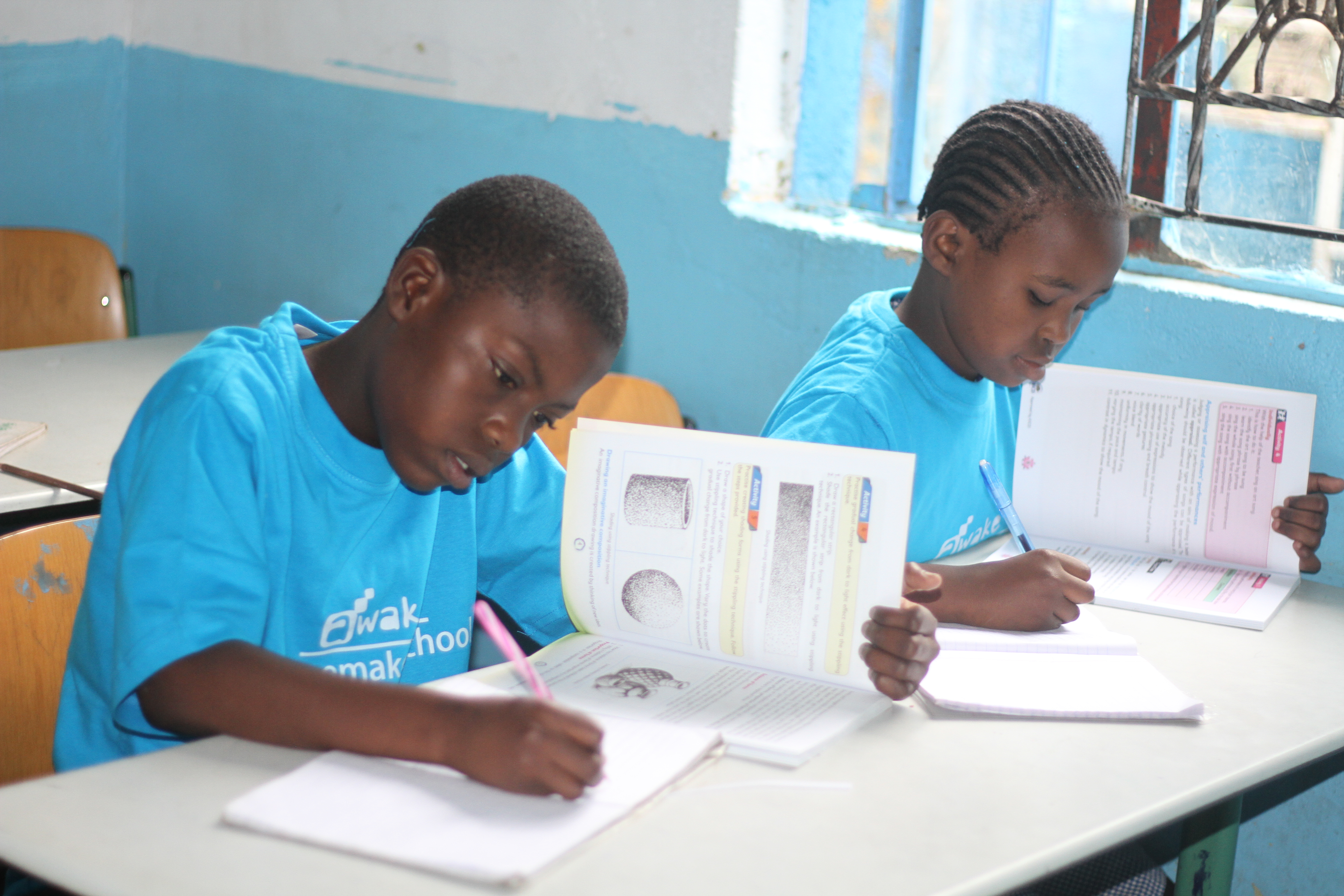
STEM education cultivates critical thinking skills by encouraging students to question, explore, and analyze. Through hands-on projects and problem-solving activities, students develop the ability to think critically and approach challenges with creativity and innovation.
1. Curriculum Implementation:
Successfully integrate the 21st-century skills
curriculum into the existing educational framework,
ensuring that students receive a well-rounded education.
2. Student Engagement: Foster an
engaging learning environment, encouraging students to
actively participate in projects, discussions, and
extracurricular activities aligned to SDG’s that promote
skill development.
3. Teacher Training: Provide ongoing
training for educators to effectively implement
innovative teaching methodologies, ensuring alignment
with the goals of the Awake Changemaker School.
1. Measurable Skill Development:
Establish metrics to measure the acquisition and
application of 21st-century skills among students,
ensuring that the program is achieving its educational
objectives.
2. Community Impact: Evaluate the
impact of Awake Changemaker School graduates on their
communities, tracking their involvement in social
projects, entrepreneurship, and leadership roles.
3. Scale and Replication: Explore
opportunities to scale the Awake Changemaker School
model, either by expanding its reach to new regions or
by influencing mainstream educational systems to adopt
similar principles.
4. Alumni Network: Establish a vibrant
alumni network that fosters ongoing collaboration,
mentorship, and support among graduates, creating a
community of changemakers who continue to drive positive
change throughout their lives.